Description
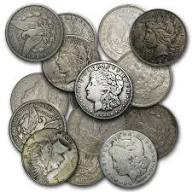
Peace/Morgan Silver Dollars – Any Grade
All conditions from Cull to AU and maybe a few UNCS. Luck of the draw. Priced under melt! We will pull them from the bag sight unseen and ship to the buyer. Good LUCK!
- Morgan Date: 1878-1904
- Peace Date: 1921-1935
- Mint: Random
- Condition: All conditions from Cull to AU and maybe a few UNCS. Luck of the draw.
- Obverse Designer: George T. Morgan
- Reverse Designer: George T. Morgan
- Composition: Silver
- Fineness: 0.9
- Weight: 26.73g
- ASW: 0.7734oz
- Diameter: 38.1mm
- Edge: Reeded
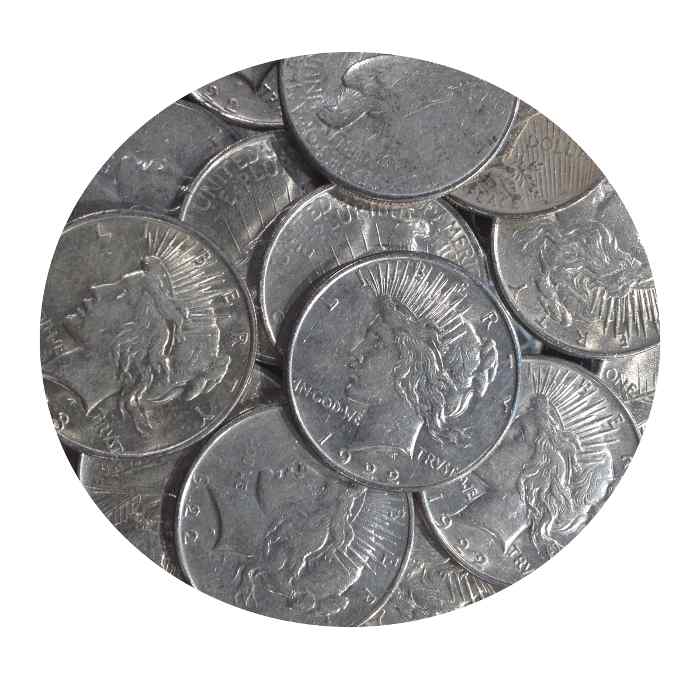
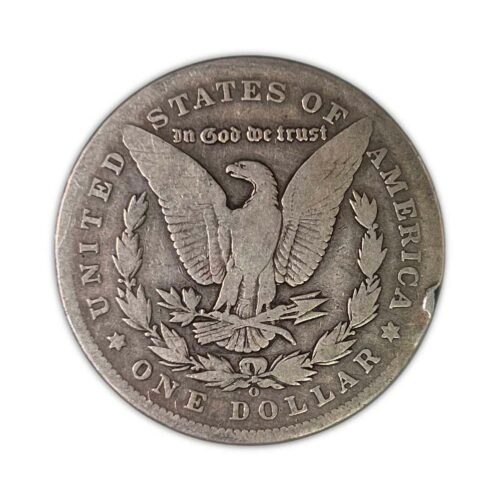
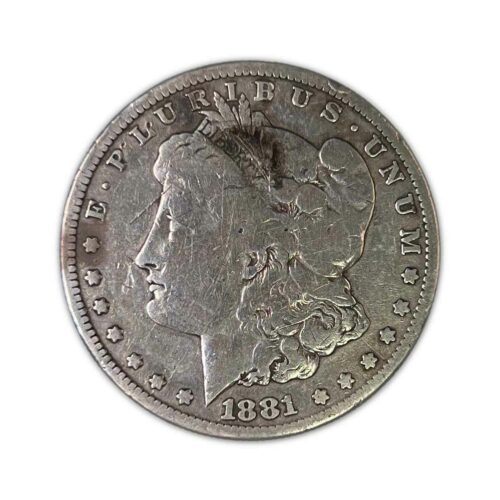
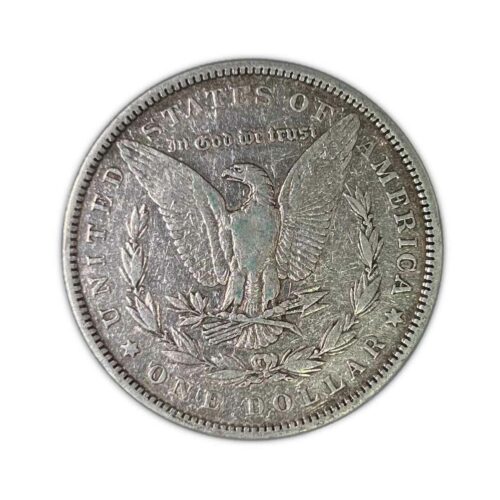
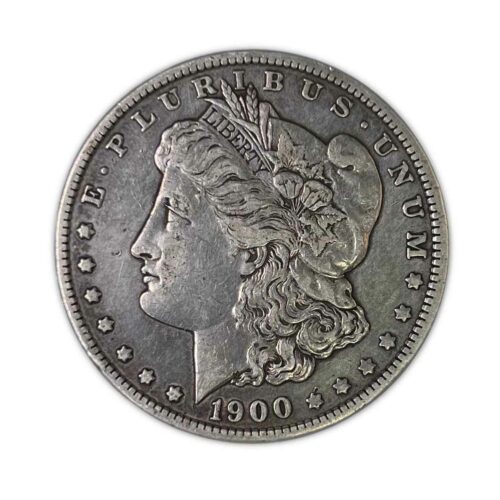
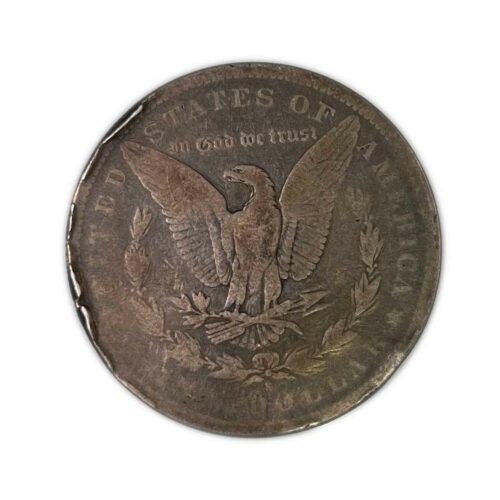
These are stock photos and will not be the exact coins you receive.
Embark on a journey through America’s storied past with the Morgan Silver Dollar, an emblematic coin that not only stands as a testament to the country’s economic might but also as a work of numismatic art. Minted from 1878 to 1904, and again in 1921, the Morgan Dollar remains one of the most collected coins in the world, reflecting an era of expansion, innovation, and the Wild West.
-
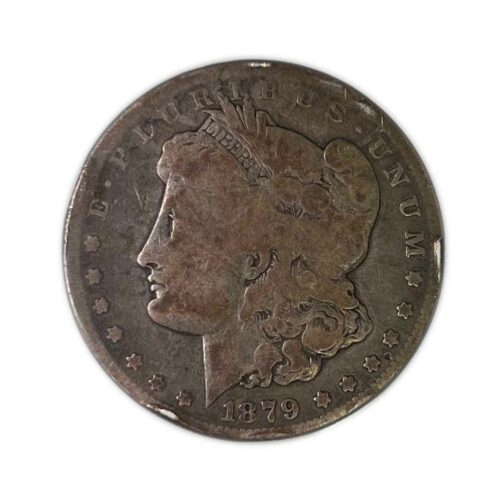
Obverse: Crafted by George T. Morgan, after whom the coin is named, the obverse features a profile portrait representing Lady Liberty. Her cap is adorned with a wreath of wheat and cotton, symbols of American agriculture, signifying prosperity. Above her head, “E PLURIBUS UNUM” is inscribed, with the date below.
-
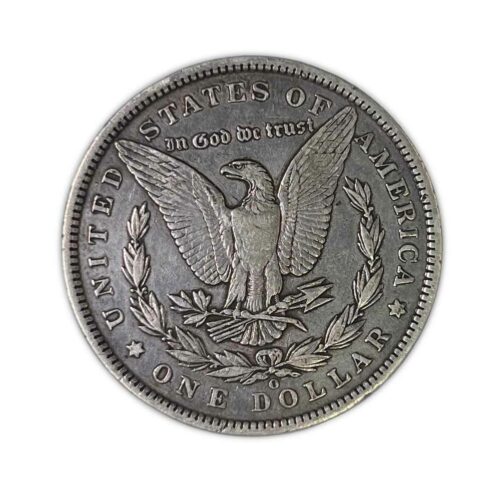
Reverse: The reverse showcases a heraldic eagle with wings outstretched, clutching arrows and an olive branch, symbolizing America’s preparedness for war yet preference for peace. Surrounding the eagle are inscriptions of the coin’s value, “UNITED STATES OF AMERICA” and the motto “IN GOD WE TRUST.”
-
Metal Content: Each Morgan Dollar is composed of 90% silver and 10% copper, offering a total silver weight of approximately 0.77344 troy ounces per coin, adding to its intrinsic value.
-
Dimensions: With a diameter of 38.1 mm (1.5 inches) and a weight of 26.73 grams, the Morgan Dollar has a significant and satisfying heft, making it a favorite among collectors for both its feel and it’s aesthetic.
-
The Comstock Lode Influence: The coin’s creation was influenced by the silver from Nevada’s Comstock Lode, leading to a series of legislation including the Bland-Allison Act, which required the U.S. Treasury to purchase silver to mint into dollars.
-
Mint Marks: Morgan Dollars were produced at several mints, including Philadelphia (no mint mark), Carson City (CC), New Orleans (O), San Francisco (S), and Denver (D) in 1921, each adding unique value based on rarity and collector interest.
-
Cultural Impact: The Morgan Dollar’s association with the American frontier, its use in casinos, and its historical role in the U.S. economy add layers of interest for historians, numismatists, and investors alike.
-
Historical Significance: Owning a Morgan Dollar is like holding a piece of the American narrative, from the Gilded Age through the Roaring Twenties, encapsulating a period of immense growth and change.
-
Aesthetic Appeal: The artistry of Morgan’s design is often praised for capturing the spirit of Liberty and the majesty of the American eagle in fine detail.
-
Investment Potential: Beyond collecting, the Morgan Dollar offers an investment in silver, with potential for appreciation both in metal value and numismatic worth.
The Morgan Silver Dollar is not just currency; it’s a slice of Americana, offering insights into the economic policies, artistry, and historical epochs of the United States. Whether you’re drawn by its silver content, its beauty, or its story, each Morgan Dollar is a tangible connection to America’s past, making it a cherished item for collectors, investors, and patriots alike. Embrace this piece of history, where every coin holds tales of the past and promises of enduring value.
The Peace dollar is a United States Coin minted from 1921 to 1928, and again in 1934 and 1935. Designed by Anthony de Francisci, the coin was the result of a competition to find designs emblematic of peace. Its obverse represents the head and neck of the Goddess in profile, and the reverse depicts a bald eagle at rest clutching an olive branch, with the legend “Peace”. It was the last United States dollar coin to be struck for circulation in silver.
With the passage of the Pittman Act in 1918, the United States Mint was required to strike millions of silver dollars, and began to do so in 1921, using the Morgan Dollar design. Numismatist began to lobby the Mint to issue a coin that memorialized the peace following World War 1; although they failed to get Congress to pass a bill requiring the redesign, they were able to persuade government officials to take action. The Peace dollar was approved by Treasury Secretary Andrew Mellon in December 1921, completing the redesign of United States coinage that had begun in 1907.
The public believed the announced design, which included a broken sword, was illustrative of defeat, and the Mint hastily acted to remove the sword. The Peace dollar was first struck on December 28, 1921; just over a million were coined bearing a 1921 date. When the Pittman Act requirements were met in 1928, the mint ceased to strike the coins, but more were struck in 1934 and 1935 as a result of other legislation. In 1965, the mint struck over 300,000 Peace dollars bearing a 1964 date, but these were never issued, and all are believed to have been melted.
This is a stock photo and will not be the exact coin you receieve.

Reviews
There are no reviews yet.